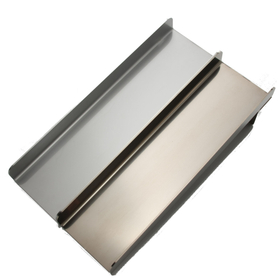
![[Case Study] 15 Common Concerns: 8 Release Properties](https://image.mono.ipros.com/public/product/image/ba9/2000360389/IPROS867275926466865472.jpg?w=280&h=280)
[Case Study] 15 Common Concerns: 8 Release Properties
Recommended for those struggling with stubborn residues! We solve metal issues through surface treatment.
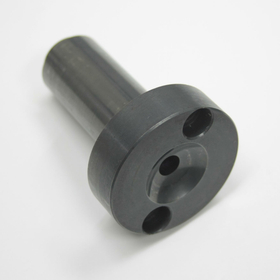
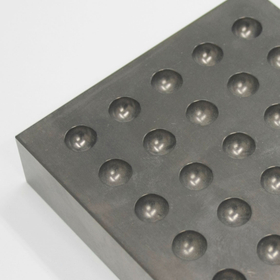
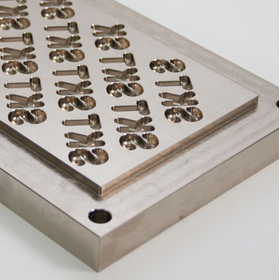
In industrial products, molds are used to shape materials such as plastics and rubber. However, to mold materials with high viscosity, it is necessary to apply a coating with excellent release properties to the mold surface. Current measures include applying oils or greases, but these have issues such as environmental concerns and unevenness of the coating. This collection of case studies includes examples of problem-solving, such as the adoption of the "Protonics System," which is also suitable for improving adhesion issues. [Published Examples] <before> ■ In urethane rubber molding, poor release properties led to frequent defects due to deformation during demolding. <after> ■ By improving release properties, the defect rate drastically decreased, and work efficiency was significantly improved. *For more details, please refer to the PDF materials or feel free to contact us.
- Company:日本プロトン
- Price:Other
![[Case Studies] 15 Common Concerns: 7 Release Properties](https://image.mono.ipros.com/public/product/image/ffe/2000360383/IPROS5765229322187063453.jpg?w=280&h=280)